
Cart abandonment is one of the most significant challenges that e-commerce businesses face today. You’ve likely witnessed this scenario countless times: a potential customer visits your online store, carefully browses through products, adds items to their shopping cart, and perhaps even selects recommended add-ons or upsells suggested by AI-powered recommendation tools. Everything seems on track for a successful purchase, yet suddenly, the customer leaves the website without completing the transaction.
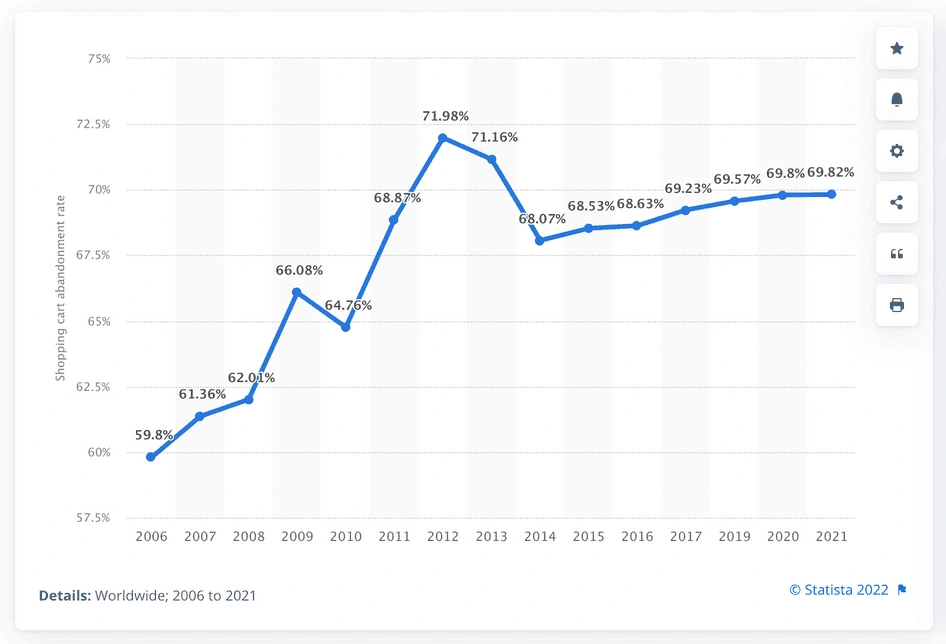
This frustrating behavior isn’t rare — studies show that cart abandonment occurs in up to 75% of all online shopping sessions. Imagine the potential revenue lost when three out of every four shoppers fail to finalize their purchase. For e-commerce businesses, this represents not only a missed sales opportunity but also a challenge in understanding customer behavior and optimizing the shopping experience to encourage completed transactions.
Addressing this issue requires a deep dive into why customers abandon their carts and implementing strategies such as streamlining checkout processes, minimizing unexpected costs, offering multiple payment options, and leveraging email remarketing or live chat support to re-engage shoppers and guide them back to complete their purchase. By tackling cart abandonment proactively, businesses can significantly increase conversions, enhance the overall shopping experience, and ultimately boost revenue.
Imagine this in a supermarket: three out of four shoppers leave their carts full and walk away. Frustrating, right? In online retail, this happens silently but has a major impact on revenue.
فهرست مطالب
Why Cart Abandonment Happens
Cart abandonment occurs for several key reasons:
-
Unexpected Costs
Additional fees such as shipping charges, taxes, or service fees often appear at checkout. These surprise costs increase the likelihood that customers will abandon their carts. -
Mandatory Account Creation
Many users dislike having to create an account or provide personal information to complete a purchase. A complicated registration process can discourage buyers and increase cart abandonment. -
Aggressive Upselling or Pop-Ups
Intrusive pop-ups or over-promoted product recommendations can distract or annoy shoppers, leading them to leave the checkout process before completing their purchase. -
Slow Mobile Experience
Mobile shoppers account for a large portion of abandoned carts. Slow-loading pages or complicated mobile checkout flows significantly increase cart abandonment rates.
Cart Abandonment Statistics
-
Average cart abandonment rate: 75%
-
Mobile cart abandonment rate: 85%
These numbers reflect a significant loss in potential revenue, emphasizing the importance of optimizing the checkout experience.
How to Reduce Cart Abandonment
Businesses can take several steps to reduce cart abandonment and increase conversions:
-
Email Remarketing Campaigns
Send targeted, personalized emails to shoppers who leave items in their carts. Studies show that well-crafted emails can recover 10–40% of abandoned sales. Timing matters—sending an email one hour after abandonment is often more effective than sending it immediately. -
Live Chat or Chatbots for Checkout Support
Provide real-time support through live chat or automated chatbots. They can answer questions about shipping costs, payment security, and other checkout issues. Businesses using chatbots have reported up to a 30% reduction in customer support requests and higher conversion rates. -
Simplify the Checkout Process
Offer guest checkout options, remove unnecessary steps, and provide multiple payment methods. A simple, fast checkout experience encourages users to complete their purchase. -
Transparent Costs and Policies
Display shipping fees, taxes, and return policies upfront. Transparency builds trust and prevents customers from leaving due to unexpected charges. -
Optimize for Mobile
Ensure your website is mobile-friendly and loads quickly. Mobile users expect smooth, fast experiences, and optimization can dramatically reduce cart abandonment rates.
Conclusion
Cart abandonment is one of the biggest challenges facing e-commerce businesses today, with a significant portion of online shoppers leaving items in their carts without completing their purchase. However, this issue can be effectively addressed through strategic improvements and targeted interventions.
By simplifying and streamlining the checkout process, minimizing unexpected costs, and removing unnecessary steps such as mandatory account creation, businesses can make the buying experience smoother and more user-friendly. Additionally, providing live support through chatbots or customer service representatives helps resolve doubts in real-time, while email remarketing campaigns can re-engage shoppers who have abandoned their carts, reminding them to complete their purchase.
Optimizing the entire shopping experience for mobile users is also critical, as a large percentage of cart abandonment occurs on smartphones due to slow load times or complicated navigation. By implementing these strategies, businesses can recover lost sales, improve overall customer satisfaction, and ultimately maximize their revenue while building stronger relationships with their audience.

سریع و بی درد سر کسب و کار خودت رو راه بنداز