
As a digital marketer, you know that keyword research is the foundation of any successful SEO strategy. But with so many tools and techniques available, knowing where to start can be overwhelming. That’s why we’ve created this ultimate guide to keyword research for guaranteed SEO success to help you navigate the process and get the most out of your efforts.
Table of Contents
Step 1: Brainstorming
Brainstorming is the first step in the keyword research process and involves creating a list of keywords and phrases your target audience might use to find your website or content. This step is critical as it sets the foundation for all your subsequent keyword research efforts.
To start brainstorming, think about your business, products, and services, and what words or phrases people might use to search for them. Put yourself in your audience’s shoes and consider what they are looking for, the language they might use, their pain points, and goals.
You can also use tools like Google Autocomplete or Answer the Public to generate ideas. These tools suggest keywords based on what people are searching for and can help you identify new keywords and phrases you might not have thought of otherwise.
When brainstorming, consider the intent behind each keyword. Are people looking for information or ready to buy? Are they searching for a specific product or just browsing? Understanding the intent helps you create content that meets your audience’s needs and drives more qualified traffic to your website.
Also, pay attention to search volume and competition for each keyword. High-volume keywords may seem attractive but are usually more competitive. Low-volume keywords might be easier to rank for but may not drive as much traffic. Finding the right balance is key to a successful keyword research strategy.
In conclusion, brainstorming is the most important first step in keyword research. By taking the time to identify potential keywords and phrases, you can lay the foundation for a successful SEO strategy and attract more qualified traffic to your website.
Step 2: Keyword Research Tools
Once you have a list of potential keywords from brainstorming, it’s time to research their search volume, competition, and relevance. This is where keyword research tools come into play. There are many free and paid tools to help with this process.
Popular options include:
-
Google Keyword Planner – A free tool that shows search volume and competition for keywords. It also provides keyword suggestions based on your initial list.
-
SEMrush – A paid tool offering in-depth keyword research, including search volume, competition, and related keywords. It also allows competitor keyword and backlink analysis.
-
Ahrefs– Another paid tool for keyword research, competitor analysis, and backlink research. Features a Content Explorer to see top-performing content for a specific keyword.
-
Moz Keyword Explorer – Paid tool providing keyword research, suggestions for related and long-tail keywords, and a difficulty score for ranking.
When using keyword tools, focus on search volume, competition, and relevance. Target keywords with high search volume but low competition while not ignoring low-volume keywords, which can still drive qualified traffic.
Step 3: Competitor Analysis
Analyzing competitors is an essential part of keyword research. Understanding what your competitors are doing helps you identify opportunities to improve your SEO strategy and gain a competitive advantage.
Look at top-ranking websites for your target keywords to see what they do right. This includes analyzing their content, backlinks, and on-page optimization.
-
Content Analysis: Examine competitor content. Are they providing in-depth, high-quality content that answers audience questions? Are they using multimedia like images and videos? Identify content gaps to create more valuable content for your audience.
-
Backlink Analysis: Backlinks signal authority to search engines. Analyze competitor backlinks to find opportunities to build your own and improve website authority.
-
On-Page SEO: Review competitors’ on-page SEO elements like title tags, meta descriptions, and header tags. See how they use keywords and optimize your pages accordingly.
Competitor analysis allows you to create a targeted keyword strategy that drives qualified traffic and achieves business goals.
Step 4: Long-Tail Keywords
Long-tail keywords are longer, more specific phrases with lower competition but often higher conversion rates. They are perfect for targeting niche audiences and driving qualified traffic.
Tools like Google Autocomplete and Answer the Public can help you discover new long-tail keyword ideas. When targeting these keywords, create dedicated content that provides value for your audience.
For example, if targeting “best running shoes for flat feet,” create a blog post reviewing running shoes suitable for flat-footed runners. Long-tail keywords often have higher intent and are easier to rank for.
Step 5: Keyword Mapping
Keyword mapping is assigning target keywords to specific pages on your website. This ensures each page is optimized for a specific keyword or phrase, improving overall SEO performance.
Start by creating a spreadsheet or using tools like SEMrush to map keywords to pages. Assign the most important pages—home, product pages, and blog posts—based on relevance and search volume.
Avoid keyword stuffing; focus on high-quality content that naturally incorporates your target keywords.
Step 6: Monitoring and Adjusting
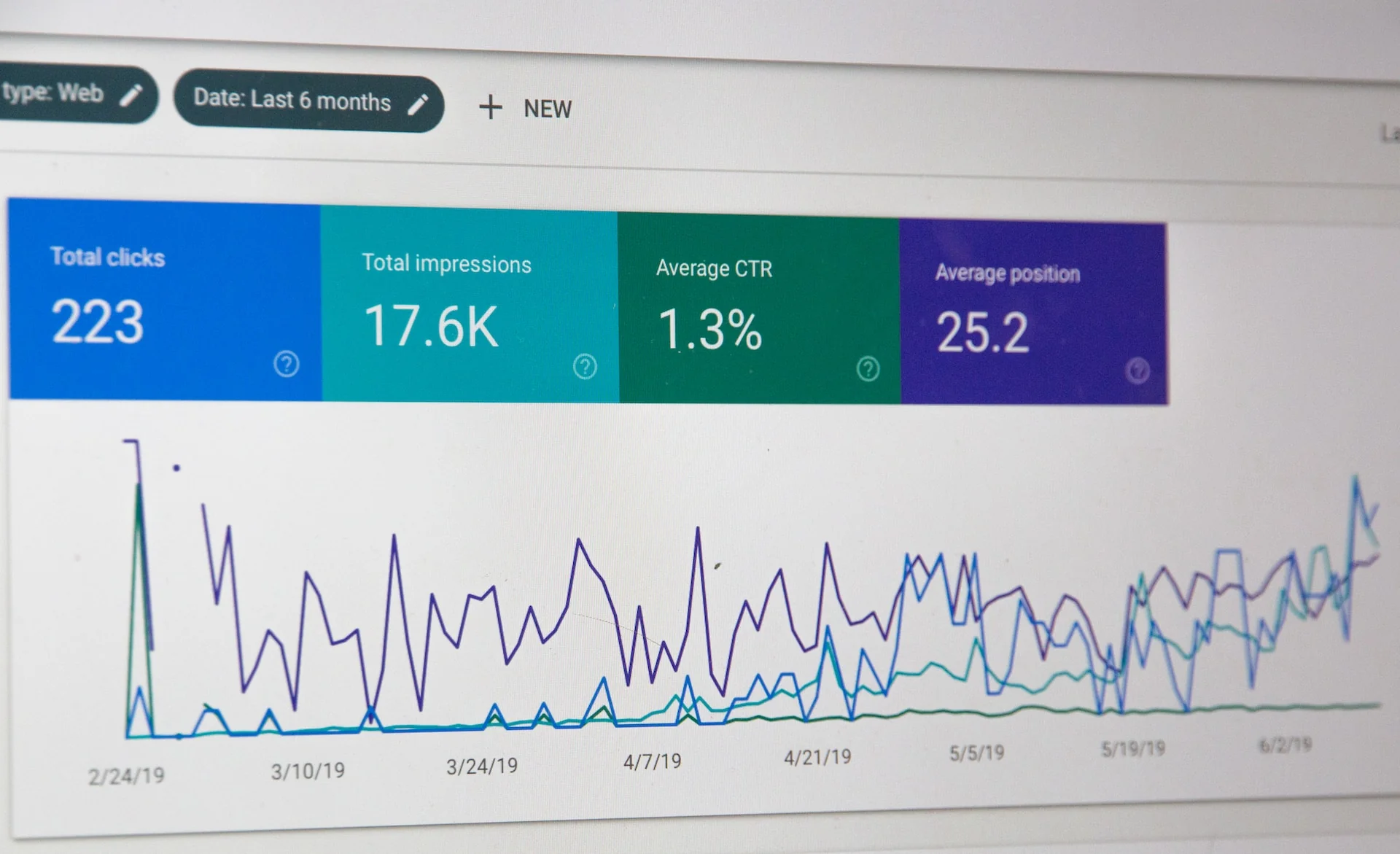
Keyword research is an ongoing process. Monitor rankings and adjust your strategy as needed using tools like Google Analytics and Google Search Console. Track metrics like:
-
Search Rankings: Monitor target keyword positions and adjust if rankings drop.
-
Traffic: Observe website traffic trends to identify areas for improvement.
-
Conversion Rate: Track conversions to ensure keywords drive results.
Adjust your strategy based on performance and stay updated with algorithm changes and SEO best practices.
Summary Table
| Step | Description |
|---|---|
| 1. Brainstorming | Create a list of keywords and phrases relevant to your business and services. |
| 2. Keyword Tools | Use tools like Google Keyword Planner and SEMrush to analyze search volume and competition. |
| 3. Competitor Analysis | Review competitor websites to identify strengths and weaknesses. |
| 4. Long-Tail Keywords | Target specific, longer phrases with higher conversion potential. |
| 5. Keyword Mapping | Assign target keywords to specific website pages for optimization. |
| 6. Monitoring & Adjusting | Track performance and update your keyword strategy as needed. |

سریع و بی درد سر کسب و کار خودت رو راه بنداز
Please select a valid form